
Kinetic System
Have you ever experienced an event where the stage itself seemed alive—moving, rotating, and shifting in perfect harmony with music and lights?
This is the magic of a Kinetic System. It’s not just technology; it’s an innovation that turns ordinary events into unforgettable experiences.
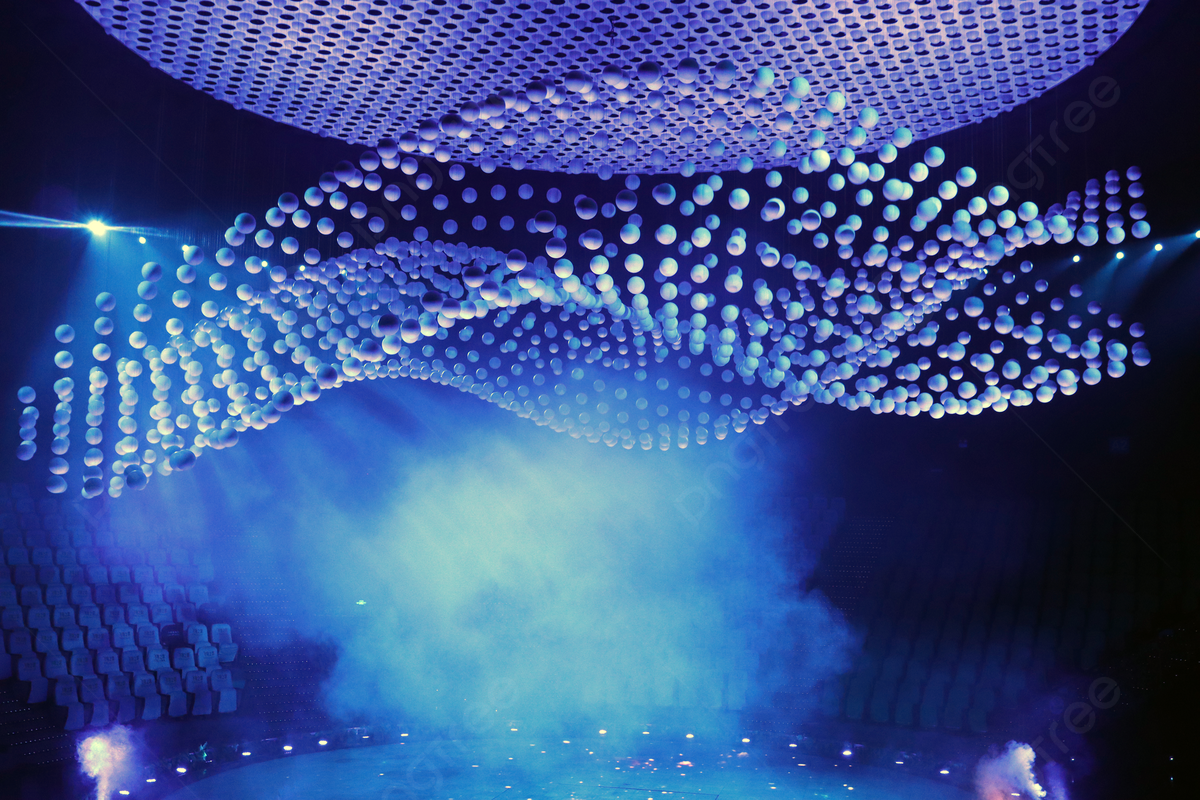
What is a Kinetic System?
A Kinetic System combines mechanical structures, automated control, and programmable design to produce dynamic movements. These can include rotations, linear shifts, synchronized lifts, or fluid transformations that create captivating visual effects.
In the world of events and entertainment, kinetic systems allow organizers to add a layer of interactivity and wonder, making the audience feel immersed in something extraordinary.
Why Use Kinetic Systems in Events?
Kinetic systems bring unique value to event design:
- Impressive Impact – Moving structures immediately grab attention.
- Dynamic Experience – They transform a static setup into a living stage.
- Flexibility – Movements can be customized for concerts, exhibitions, or product launches.
- Brand Differentiation – Motion-driven designs showcase creativity and innovation, making the event unforgettable.
Our Design Process
We are designing a kinetic system to produce various movements that will impress customers. Our objective is to create rotations and kinetic motions that deliver unique shapes and visual expressions suitable for advertising or entertainment.
Here’s how we design it:
Here’s how we design it:
1. Creative Motion Design (After Effects)
- We begin by designing motion concepts in Adobe After Effects (AE).
- This allows us to visualize different movement styles, synchronize with soundtracks, and test how shapes interact dynamically.
- By prototyping in AE, we can experiment with multiple variations before building the actual system.
2. Simulation & Refinement
- Once motion is approved, we run 3D simulations to test feasibility.
- We refine parameters such as speed, rhythm, and smoothness to ensure safety and stability.
3. System Configuration & Setup
- Motions are translated into system control parameters—like motor speed, rotation angle, and synchronization timing.
- We integrate the control system with DMX or custom software, ensuring seamless connection with stage lighting and sound systems.
4. Execution
- The final system is installed at the event.
- Movements are controlled live or pre-programmed to synchronize with the show’s sequence, delivering a breathtaking experience.